Telemarketing is a crucial part of any business strategy, as it allows companies to reach out to potential customers and promote their products or services. However, there are two main approaches to telemarketing: inbound and outbound. In this article, we will explain the key differences between inbound and outbound telemarketing and how each approach can benefit your business.
What is Inbound Telemarketing?
Inbound telemarketing involves receiving incoming calls from potential customers who are interested in your products or services. This approach is more customer-focused, as it allows prospects to reach out to your business at their convenience. Inbound telemarketing is typically used for handling inquiries, providing customer support, and processing orders.
One of the main advantages of inbound telemarketing is that it allows businesses to build relationships with customers who are already interested in their offerings. By providing excellent customer service and support, businesses can increase customer loyalty and satisfaction, leading to repeat business and positive word-of-mouth referrals.
What is Outbound Telemarketing?
Outbound telemarketing, on the other hand, involves making outgoing calls to potential customers to promote products or services. This approach is more sales-focused, as it allows businesses to proactively reach out to prospects and generate leads. Outbound telemarketing is typically used for cold calling, lead generation, and sales prospecting.
While outbound telemarketing can be more challenging than inbound telemarketing, it offers businesses the opportunity to expand their reach and target a larger audience. By proactively contacting prospects, businesses can drive sales and increase their revenue, ultimately leading to business growth and success.
The Key Differences Between Inbound and Outbound Telemarketing
There are several key differences between inbound and outbound telemarketing, including the following:
1. Customer Engagement
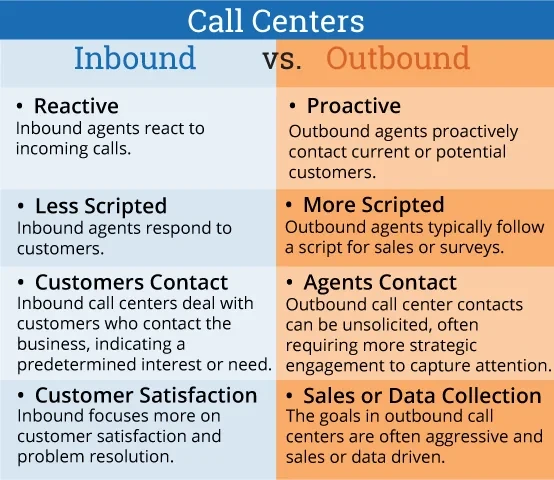
Inbound telemarketing focuses on engaging with customers who have already expressed interest in your products or services, while outbound telemarketing involves reaching out to potential customers who may not be familiar with your business.
2. Approach
Inbound telemarketing is more passive, as it involves waiting for incoming calls from customers, while outbound telemarketing is more proactive, as it involves making outgoing calls to prospects.
3. Relationship Building
Inbound telemarketing allows businesses to build relationships with customers over time, providing ongoing support and assistance, while outbound telemarketing focuses on generating leads and driving sales in a more transactional manner.
Which Approach is Right for Your Business?
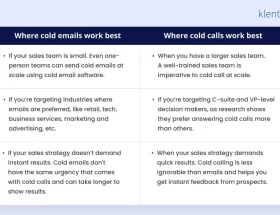
Deciding whether to focus on inbound or outbound telemarketing depends on your business goals, target audience, and resources. In general, businesses that are looking to build long-term relationships with customers may benefit more from inbound telemarketing, while businesses that are looking to drive sales and generate leads quickly may prefer outbound telemarketing.
Ultimately, the key to a successful telemarketing strategy is to find the right balance between inbound and outbound approaches, tailoring your tactics to meet the needs of your business and your target audience. By understanding the key differences between inbound and outbound telemarketing and leveraging the strengths of each approach, you can create a comprehensive telemarketing strategy that drives results and helps your business thrive.
Conclusion
Telemarketing is a powerful tool for businesses to connect with customers, drive sales, and generate leads. By understanding the key differences between inbound and outbound telemarketing, you can determine which approach is right for your business and create a successful telemarketing strategy that delivers tangible results. Whether you choose to focus on inbound, outbound, or a combination of both approaches, telemarketing can help your business reach new heights and achieve its goals.