Direct mail” width=”526″ height=”773″>
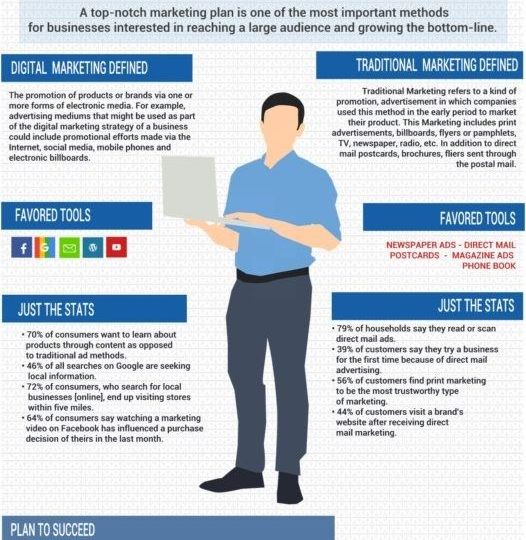
In today’s tech-savvy world, businesses have a wide range of marketing strategies at their disposal. Direct mail and digital marketing are two popular options, each offering its own unique advantages and challenges. Understanding the key differences between these two approaches can help businesses make informed decisions about where to allocate their marketing resources.
Target Audience
Direct mail is often targeted towards a specific audience based on demographics, location, or previous purchase history. Digital marketing, on the other hand, allows for more precise targeting through tools such as cookies and user behavior tracking. This can result in higher conversion rates and a more personalized experience for the consumer.
Creative Opportunities
Direct mail offers a tangible experience for recipients, allowing for creative designs and innovative packaging. Digital marketing, on the other hand, provides opportunities for interactive content, video ads, and real-time engagement with consumers. Both approaches have their strengths when it comes to creative opportunities, and businesses should consider which medium best suits their brand and messaging.
Cost-Effectiveness
Direct mail can be costly, with expenses including printing, postage, and mailing lists. Digital marketing, on the other hand, can be more cost-effective, with options for pay-per-click advertising, email campaigns, and social media marketing. Businesses looking to maximize their marketing budget may find digital marketing to be a more affordable option.
Measurable Results
Digital marketing offers detailed analytics and tracking tools that provide real-time insights into campaign performance. Businesses can track metrics such as click-through rates, conversion rates, and return on investment. Direct mail, on the other hand, can be more challenging to measure, with limited data available on response rates and customer engagement.
Brand Visibility
Direct mail offers a physical presence that can stand out in a crowded mailbox, potentially increasing brand visibility and recall. Digital marketing, on the other hand, has the potential to reach a wider audience through various online channels such as search engines, social media platforms, and websites. Businesses should consider how they can leverage both mediums to maximize their brand visibility and reach.
Conclusion
In conclusion, direct mail and digital marketing each offer unique advantages and challenges for businesses looking to promote their products and services. Understanding the key differences between these two approaches can help businesses make informed decisions about their marketing strategies. By considering factors such as target audience, creative opportunities, cost-effectiveness, measurable results, and brand visibility, businesses can create successful marketing campaigns that resonate with consumers and drive results.