In today’s digital world, email marketing has become a powerful tool for businesses to reach their target audience and drive sales. One of the key strategies that can make or break an email marketing campaign is personalization. In this article, we will explore the importance of personalization in email marketing and how businesses can effectively implement this strategy to engage their subscribers and boost conversion rates.
The Power of Personalization
Personalization in email marketing involves tailoring the content of your emails to meet the needs and interests of individual subscribers. By personalizing your emails, you can create a more relevant and engaging experience for your audience, ultimately leading to higher open rates, click-through rates, and conversions.
Studies have shown that personalized emails can drive a 6x higher transaction rate than non-personalized emails. This is because personalized content resonates with recipients on a more personal level, making them more likely to take action on your email.
How to Personalize Your Email Campaigns
There are several ways businesses can personalize their email campaigns to better connect with subscribers. Here are some key strategies to consider:
1. Segment Your Email List
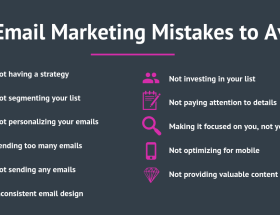
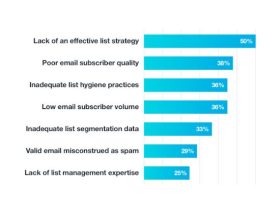
Segmenting your email list based on demographics, behavior, or interests can help you send more targeted and relevant content to your subscribers. This can include segmenting based on past purchase history, location, or engagement with previous emails. By sending more tailored content, you can increase the likelihood of driving conversions.
2. Use Dynamic Content
Dynamic content allows you to create personalized email experiences by displaying different content based on a subscriber’s preferences or behavior. This can include personalized product recommendations, tailored offers, or targeted messaging. By using dynamic content, you can create more engaging and relevant emails that drive results.
3. Personalize the Subject Line and Sender Name
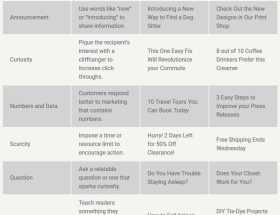
Personalizing the subject line and sender name of your emails can help increase open rates and engagement. By addressing recipients by name or using personalized subject lines that speak to their interests or past interactions with your brand, you can capture their attention and entice them to open your email.
The Benefits of Personalization
There are numerous benefits to incorporating personalization into your email marketing strategy. Some of the key benefits include:
1. Improved Engagement
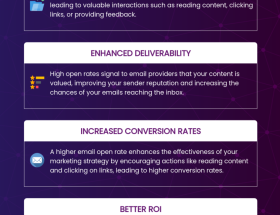
Personalized emails are more likely to capture the attention of recipients and encourage engagement. By sending relevant content to your subscribers, you can increase open rates, click-through rates, and overall engagement with your emails.
2. Increased Conversions
Personalization can lead to higher conversion rates as recipients are more likely to take action on emails that are tailored to their interests and needs. By providing personalized offers and recommendations, you can drive sales and revenue for your business.
3. Enhanced Brand Loyalty
Personalization can help strengthen the relationship between your brand and your subscribers. By showing recipients that you understand their preferences and cater to their needs, you can build trust and loyalty with your audience over time.
Conclusion
Personalization is a powerful strategy that can significantly improve the effectiveness of your email marketing campaigns. By segmenting your email list, using dynamic content, and personalizing subject lines and sender names, you can create a more engaging and relevant experience for your subscribers. As a result, you can drive higher engagement, conversions, and brand loyalty for your business. Incorporating personalization into your email marketing strategy is essential for staying ahead in today’s competitive digital landscape.