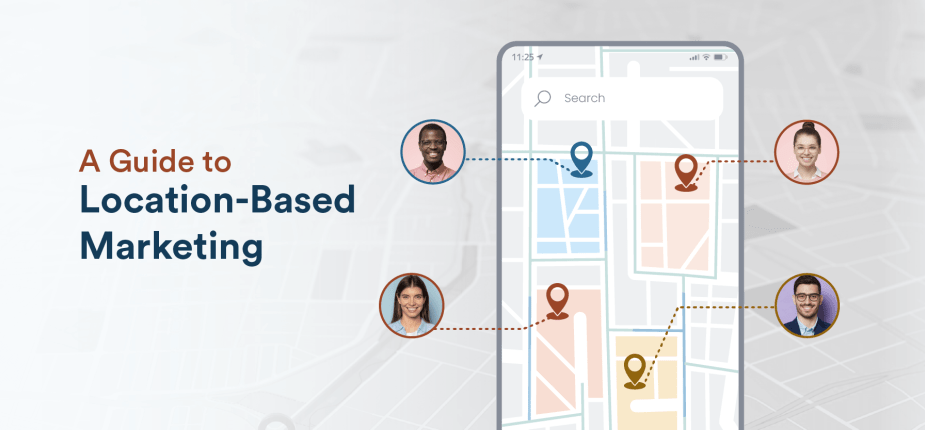
In today’s digital age, businesses are constantly seeking new and innovative ways to reach their target audience. One of the most effective strategies for connecting with consumers is through location-based marketing on mobile devices. This powerful technique allows companies to deliver personalized messages and offers to users based on their current location.
What is Location-Based Marketing?
Location-based marketing is a digital marketing strategy that utilizes a user’s geographical location to deliver targeted content. By leveraging the GPS capabilities of mobile devices, businesses can send relevant messages to consumers when they are in proximity to a specific location, such as a store or event venue. This allows companies to reach users at the right time and place, increasing the likelihood of engagement and conversion.
How Does Location-Based Marketing Work?
Location-based marketing works by using a variety of technologies to detect a user’s location. This can include GPS, WiFi, beacon technology, and IP addresses. Once a user’s location is determined, businesses can send targeted messages through mobile apps, SMS, push notifications, or social media platforms.
For example, a retailer can send a special discount offer to a customer when they are near one of their store locations. Or a restaurant can promote a happy hour special to users within walking distance of their establishment. These personalized messages are more likely to capture the attention of consumers and drive them to take action.
The Benefits of Location-Based Marketing
There are several key benefits to incorporating location-based marketing into your digital strategy:
Increased Engagement
By delivering relevant messages to users when they are in close proximity to a business location, companies can drive higher levels of engagement. Users are more likely to pay attention to personalized offers that are timely and relevant to their current location.
Improved Conversion Rates
Location-based marketing can help businesses increase their conversion rates by delivering targeted messages to users who are more likely to make a purchase. By offering discounts or promotions to users who are near a store location, companies can entice consumers to visit and make a purchase.
Enhanced Customer Experience
Location-based marketing allows businesses to deliver a more personalized and convenient experience to their customers. By providing relevant information based on a user’s location, companies can improve customer satisfaction and loyalty.
Best Practices for Location-Based Marketing
When implementing a location-based marketing strategy, it is important to follow these best practices:
Respect User Privacy
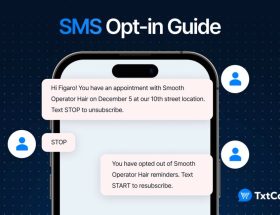
It is essential to obtain user consent before collecting and using their location data for marketing purposes. Be transparent about how you will use this information and provide users with the option to opt out if they choose.
Deliver Relevant Content
Ensure that the messages you send to users are relevant to their location and interests. Personalize offers and promotions to increase the likelihood of engagement and conversion.
Track and Analyze Performance
Monitor the effectiveness of your location-based marketing campaigns by tracking key metrics such as click-through rates, conversion rates, and return on investment. Use this data to continually refine and optimize your strategy for maximum results.
Conclusion
Location-based marketing is a powerful tool for businesses looking to connect with their target audience in a more personalized and effective way. By leveraging the geographical data available on mobile devices, companies can deliver targeted messages to users based on their current location, driving engagement, conversion, and customer satisfaction. Incorporate location-based marketing into your digital strategy and watch your business thrive in today’s competitive marketplace.