
In today’s fast-paced digital world, email marketing automation has become an essential tool for businesses looking to streamline their marketing efforts and engage with customers effectively. By automating email campaigns, businesses can save time, increase efficiency, and deliver personalized messaging to their audience. However, to make the most of email marketing automation, it’s crucial to follow best practices to ensure your campaigns are successful. Here are some tips to help you get started:
1. Segment Your Audience
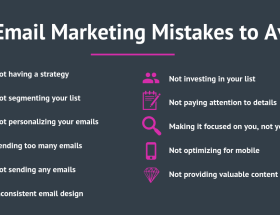
One of the key benefits of email marketing automation is the ability to segment your audience based on their demographics, behavior, and interests. By segmenting your audience, you can deliver targeted content that is more likely to resonate with each group. For example, you can send personalized recommendations to customers who have previously made a purchase, or promote special offers to subscribers who have shown interest in a particular product or service.
2. Craft Compelling Subject Lines
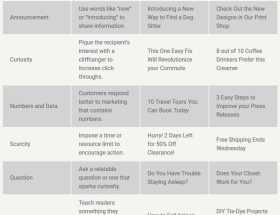
The subject line is the first thing recipients see when they receive an email, so it’s essential to make it compelling and engaging. A catchy subject line can entice recipients to open the email and engage with the content inside. Experiment with different subject lines to see what resonates with your audience, and remember to keep them concise and relevant to the content of the email.
3. Personalize Your Emails
Personalization is key to successful email marketing automation. By addressing recipients by name and tailoring the content of your emails to their interests and preferences, you can increase engagement and drive conversions. Use dynamic content and merge tags to personalize your emails automatically based on the recipient’s data, such as their name, location, or past purchase history.
4. Test and Optimize Your Campaigns
Testing is a crucial part of any email marketing strategy. To optimize your campaigns for success, run A/B tests on different elements of your emails, such as subject lines, calls to action, and content layout. Analyze the results to determine what resonates with your audience and make data-driven decisions to improve your campaigns over time.
5. Automate Your Email Sending Schedule
Timing is crucial when it comes to email marketing automation. By scheduling your emails to be sent at the optimal time for your audience, you can increase open rates and engagement. Use data from past campaigns to determine when your audience is most likely to engage with your emails, and set up automated triggers to send emails at the right time for each recipient.
6. Monitor and Analyze Your Results
Once you’ve set up your email marketing automation campaigns, it’s essential to monitor and analyze the results to track performance and make informed decisions. Pay attention to key metrics such as open rates, click-through rates, and conversion rates to gauge the effectiveness of your campaigns. Use this data to refine your strategies and improve the success of future campaigns.
By following these best practices for email marketing automation, you can create more personalized, targeted, and engaging campaigns that drive results for your business. With the right strategy and tools in place, email marketing automation can help you connect with your audience effectively and grow your business in the digital age.