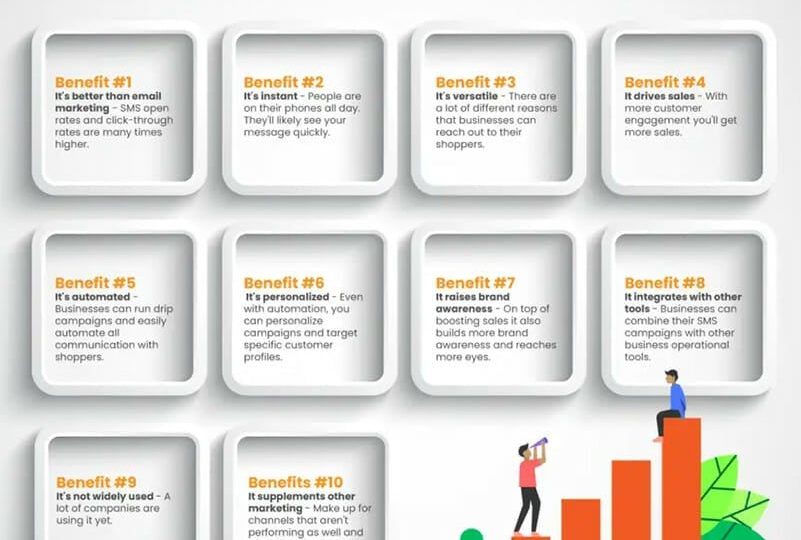
In today’s fast-paced world, small businesses need to find effective ways to reach their target audience and stand out from the competition. One highly effective and often overlooked marketing strategy is SMS marketing. With open rates as high as 98%, SMS marketing can be a powerful tool for small businesses looking to connect with customers on a more personal level. In this article, we’ll explore some of the best SMS marketing strategies for small businesses to help you maximize your reach and engagement.
Build Your Subscriber List
Before you can start implementing SMS marketing strategies, you need to build a subscriber list. One of the most effective ways to do this is by offering incentives such as discounts or exclusive offers in exchange for customers’ phone numbers. You can also promote your SMS marketing campaign on social media, your website, or in-store to encourage sign-ups. Remember to always get permission from customers before sending them SMS messages to ensure compliance with regulations.
Segment Your Audience
Segmenting your audience is crucial for a successful SMS marketing campaign. By dividing your subscriber list into different segments based on demographics, interests, or buying behavior, you can send more targeted and relevant messages to each group. This increases the likelihood of engagement and conversions, as customers are more likely to respond to messages that are personalized to their needs and preferences.
Create Compelling Content
When crafting SMS messages, keep them short, sweet, and to the point. Your messages should be engaging, informative, and relevant to your audience. Include a clear call-to-action that prompts customers to take the desired action, whether it’s making a purchase, visiting your website, or sharing the message with friends. Consider using emojis, GIFs, or multimedia content to make your messages more visually appealing and memorable.
Timing is Everything
Timing plays a crucial role in the success of your SMS marketing campaign. Be mindful of when you send messages to ensure they are received at a time when customers are most likely to be engaged. Avoid sending messages late at night or early in the morning, as this can annoy recipients and lead to opt-outs. Monitor open rates and engagement metrics to determine the best times to send messages and adjust your strategy accordingly.
Track and Analyze Results
Like any marketing strategy, it’s essential to track and analyze the results of your SMS marketing campaign to measure its effectiveness. Monitor key metrics such as open rates, click-through rates, conversion rates, and unsubscribe rates to gain insights into what’s working and what needs improvement. Use this data to refine your messaging, segment targeting, and timing to optimize your campaign for better results.
Comply with Regulations
It’s crucial to comply with regulations and guidelines when implementing an SMS marketing campaign. Make sure to obtain permission from customers before sending them messages and provide clear opt-out instructions in every message. Familiarize yourself with laws such as the Telephone Consumer Protection Act (TCPA) and the CAN-SPAM Act to avoid legal issues and maintain a positive reputation with your audience.
Conclusion
Implementing a successful SMS marketing campaign can help small businesses reach their target audience effectively and drive engagement and conversions. By building a subscriber list, segmenting your audience, creating compelling content, timing your messages strategically, tracking results, and complying with regulations, you can maximize the impact of your SMS marketing efforts. Remember to continuously monitor and optimize your campaign to ensure long-term success and stay ahead of the competition.
Are you ready to take your small business to the next level with SMS marketing? Start implementing these strategies today and watch your audience engagement and sales soar!