In the fast-paced world of digital marketing, email marketing remains a powerful tool for businesses to engage with their audience and drive conversions. However, simply sending out mass emails to your entire list may not yield the best results. By segmenting your email list, you can personalize your messaging and increase the chances of converting leads into customers.
Why Segment Your Email List?
Segmenting your email list involves dividing your subscribers into smaller groups based on specific criteria such as demographics, behavior, or preferences. By doing so, you can tailor your content to better meet the needs and interests of each segment, leading to higher engagement and ultimately, higher conversions.
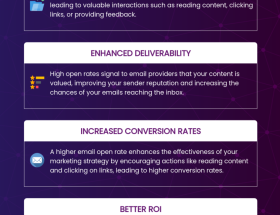
Improve Relevance: Sending targeted, personalized emails can improve relevance and resonate with your audience, increasing open rates and click-through rates.
Boost Engagement: By delivering content that is tailored to each segment, you can encourage subscribers to take action, such as making a purchase or signing up for a webinar.
Reduce Unsubscribes: Sending relevant content to the right people can help prevent unsubscribes and keep your audience engaged with your brand.
How to Segment Your Email List
Here are some effective ways to segment your email list for higher conversions:
1. Demographics
Divide your subscribers based on demographic information such as age, gender, location, or job title. Tailor your content to reflect the specific characteristics of each segment.
2. Behavior
Segment your list based on how subscribers have interacted with your emails in the past, such as open rates, click-through rates, and purchases. Send targeted emails that cater to their interests and preferences.
3. Preferences
Give subscribers the option to choose their email preferences, such as the type of content they want to receive or how often they want to hear from you. Use this information to create personalized experiences for each segment.
4. Lifecycle Stage
Segment your list based on where subscribers are in the customer journey, whether they are new leads, loyal customers, or at-risk of churning. Send relevant content that moves them along the sales funnel.
5. Engagement Level
Segment subscribers based on their level of engagement with your emails, such as super fans, occasional readers, or inactive subscribers. Tailor your messaging to re-engage inactive subscribers and reward loyal customers.
Best Practices for Email Segmentation
Keep It Simple: Start with basic segmentation criteria and gradually add more as you gather more data about your subscribers.
Test and Learn: Experiment with different segmentation strategies and track the results to see what works best for your audience.
Automate Where Possible: Use email marketing tools to automate the segmentation process and deliver personalized emails at scale.
Monitor Results: Regularly analyze key metrics such as open rates, click-through rates, and conversions to measure the impact of your segmentation efforts.
Conclusion
Segmenting your email list is a crucial step in optimizing your email marketing strategy for higher conversions. By delivering targeted, personalized content to specific segments of your audience, you can increase engagement, drive conversions, and ultimately, achieve better results from your email campaigns.
For more insights on email marketing and tech trends, subscribe to our newsletter today!